


In recent years, global tourism has become increasingly sensitive to public health concerns. Diseases such as COVID-19, Marburg Virus, and Ebola have shown how health emergencies can quickly influence international travel, tourism businesses, and traveler confidence.
Whenever Ebola is reported in any part of Africa, many international travelers become concerned about traveling to the continent, even when outbreaks are limited to specific areas far from major tourism destinations. This reaction often affects tourism across East Africa, including countries without active outbreaks.
As the CEO of Little Lion Tours & Safaris and also a healthcare professional working as a nurse within the tourism sector, I believe it is important to educate travelers with accurate information, encourage prevention, and promote responsible tourism instead of fear and misinformation.
What Is Ebola?
Ebola Virus Disease is a severe viral disease that affects humans and some animals. It is caused by the Ebola virus and spreads through direct contact with bodily fluids such as blood, sweat, saliva, vomit, urine, or contaminated materials from an infected person or animal.
Common Symptoms of Ebola
Symptoms may appear between 2 to 21 days after exposure and can include:
- High fever
- Severe headache
- Muscle and joint pain
- Weakness and fatigue
- Sore throat
- Vomiting and diarrhea
- Stomach pain
- Unexplained bleeding in severe cases
Early medical attention and isolation are extremely important in preventing spread.
How Ebola Affects Tourism in East Africa
East Africa is one of the fastest-growing tourism regions in the world, attracting millions of visitors annually for safaris, mountain climbing, cultural tourism, marine tourism, and beach holidays.
Major destinations include:
- Serengeti National Park
- Ngorongoro Conservation Area
- Mount Kilimanjaro
- Zanzibar
- Masai Mara National Reserve
- Bwindi Impenetrable National Park
However, disease outbreaks can have a major economic and psychological effect on tourism.
1. Decline in International Tourist Arrivals
Many travelers cancel or postpone trips because they fear infection or misunderstand the geographical location of outbreaks. Sometimes people assume the whole African continent is unsafe, even if outbreaks occur thousands of kilometers away from tourism destinations.
This creates:
- Reduced safari bookings
- Lower hotel occupancy
- Fewer beach holiday reservations
- Decreased international flights
- Reduced tourism revenue
2. Economic Impact on Local Communities
Tourism supports thousands of people across East Africa:
- Tour guides
- Drivers
- Hotel workers
- Local fishermen
- Cultural performers
- Farmers supplying hotels
- Small businesses and souvenir shops
When tourism decreases, many families lose income opportunities.
3. Negative Media Coverage and Fear
International media coverage can sometimes create panic or confusion. Social media misinformation may spread faster than official health updates, causing unnecessary fear among travelers.
Education and transparent communication become very important during such periods.
Tanzania’s Position and Preparedness
Tanzania continues to maintain strong public health monitoring systems and tourism safety protocols.
Tourism activities continue normally in many destinations including:
- Tarangire National Park
- Lake Manyara National Park
- Nyerere National Park
- Arusha
- Nungwi
- Paje
Measures Tanzania Uses for Prevention and Surveillance
The government and health authorities work together through:
- Screening and monitoring at airports and borders
- Rapid response health teams
- Public awareness campaigns
- Hospital preparedness
- Disease surveillance systems
- International collaboration with health organizations
These measures help reduce risks and strengthen traveler confidence.
The Role of Tourism Companies During Health Concerns
Tour operators have an important responsibility during any health situation. Companies must prioritize guest safety, staff education, and hygiene standards.
At Little Lion Tours & Safaris we believe tourism and healthcare awareness should work together.
As a nurse and tourism CEO, I understand both:
- The importance of public health prevention
- The importance of maintaining safe and professional tourism experiences
This unique combination helps our company approach tourism with additional care, responsibility, and preparedness.
Preventive Measures We Implement at Little Lion Tours & Safaris
1. Staff Health Awareness Training
Our guides and tourism staff receive education about:
- Infectious disease awareness
- Personal hygiene
- Guest safety procedures
- Emergency communication protocols
2. Sanitization and Cleanliness
We maintain:
- Clean safari vehicles
- Sanitizers during excursions
- Regular cleaning of frequently touched surfaces
- Safe food and drinking water practices
3. Guest Safety Information
We encourage travelers to:
- Wash or sanitize hands regularly
- Maintain personal hygiene
- Report any illness symptoms immediately
- Follow official travel health guidance
4. Cooperation with Health Authorities
We follow updates and recommendations from:
- Tanzania health authorities
- Tourism authorities
- International health organizations
This helps us stay updated and prepared.
Why Travelers Should Not Panic
Travelers should understand:
- Ebola does not spread through casual contact like passing someone on the street.
- Proper hygiene and awareness significantly reduce risk.
- Most tourism destinations in Tanzania operate far from outbreak zones reported elsewhere.
- Health monitoring systems today are much stronger than in the past.
Responsible travel, accurate information, and preventive measures are more effective than fear.
The Importance of Responsible Communication
As tourism professionals, bloggers, media creators, and travelers, we should avoid:
- Spreading unverified information
- Creating panic online
- Generalizing all African destinations as unsafe
Instead, we should:
- Share verified information
- Promote awareness
- Support local tourism economies responsibly
- Encourage preventive healthcare practices
Tourism and Healthcare Can Work Together
The tourism industry depends on trust, safety, hospitality, and professionalism. Public health awareness strengthens tourism rather than damaging it when handled responsibly.
At Little Lion Tours & Safaris we remain committed to:
- Safe safari experiences
- Responsible tourism
- Health awareness
- Professional hospitality
- Supporting traveler confidence in Tanzania
From the wildlife plains of the Serengeti to the beautiful beaches of Zanzibar, Tanzania continues to welcome travelers with warmth, beauty, and care.
Travel Smart. Stay Informed. Explore Tanzania Safely.
Ebola Transmission Areas in East Africa (2026)
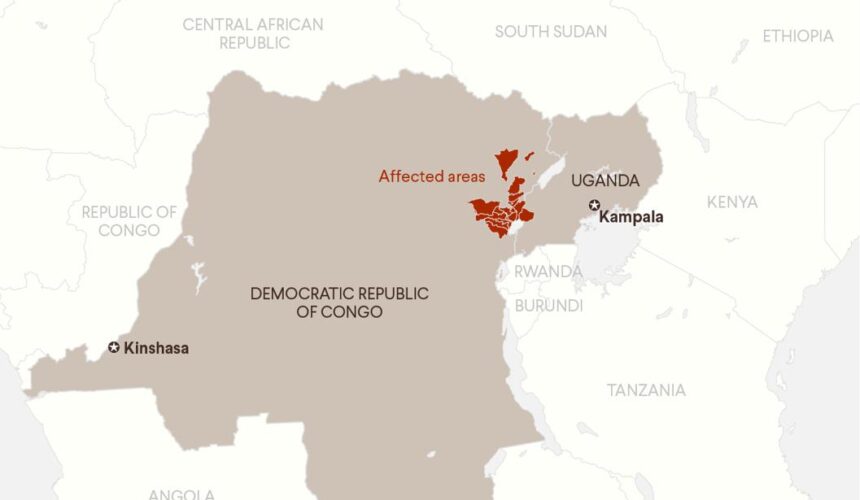
The current Ebola outbreak in East Africa is mainly affecting parts of the Democratic Republic of the Congo and imported cases in Uganda. Health authorities continue monitoring neighboring countries including Tanzania, Kenya, Rwanda, and South Sudan due to regional movement and cross-border travel.
Estimated Reported Situation (May 2026)
| Country / Area | Status | Estimated Cases | Estimated Deaths |
| Democratic Republic of Congo (Ituri, North Kivu, South Kivu) | Active transmission | 500+ suspected cases | 130+ suspected deaths |
| Uganda (Imported cases) | Limited imported transmission | 2 confirmed cases | 1 death |
| Tanzania | No confirmed active cases | 0 | 0 |
| Kenya | No confirmed active cases | 0 | 0 |
| Rwanda | No confirmed active cases | 0 | 0 |
| South Sudan | Monitoring high risk | No confirmed outbreak | 0 |
Figures continue changing as investigations and laboratory confirmations continue.
Most Affected Areas
- Ituri Province, Eastern DRC
- Bunia Health Zone
- Mongbwalu
- North Kivu Province
- South Kivu Province
- Kampala imported case monitoring in Uganda
Health experts say the outbreak involves the rare Bundibugyo strain of Ebola, which currently has no approved vaccine.
Tanzania’s Situation
Tanzania has not reported confirmed active Ebola transmission during the current outbreak period. Tourism activities continue normally in:
- Serengeti National Park
- Ngorongoro Conservation Area
- Zanzibar
- Mount Kilimanjaro
However, Tanzania continues strengthening:
- Border surveillance
- Airport screening
- Health preparedness
- Public awareness
- Emergency response systems
Message From Little Lion Tours & Safaris
As a tourism company led by a healthcare professional and nurse, we strongly believe that awareness, prevention, and responsible communication are essential during public health situations.
At Little Lion Tours & Safaris, we continue implementing:
- Sanitization procedures in safari vehicles
- Staff health awareness training
- Guest hygiene guidance
- Safe food and water practices
- Monitoring official health updates
- Cooperation with tourism and health authorities.
Our Tanzania Packages
Discover the beauty of Tanzania with unforgettable adventures designed. Our Tanzania packages combine thrilling wildlife safaris, breathtaking landscapes, rich cultural experiences, and relaxing beach holidays in Tanzania and Zanzibar. From the endless plains of Serengeti National Park to the stunning beauty of Ngorongoro Crater, every journey is carefully crafted to give you comfort, adventure, and unforgettable memories. Whether you are traveling for a honeymoon, family holiday, or private safari, we create experiences that match your travel dreams.
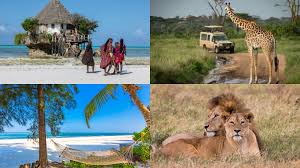
Complete Safari Adventure & Tropical Zanzibar Escape 7 Nights Safari + 6 Nights Zanzibar

Ultimate Tanzania Adventure Safari & Zanzibar Ocean Escape 6 Nights Safari + 5 Nights Zanzibar

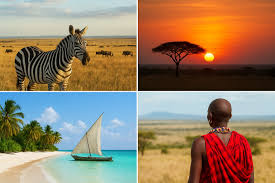
4 Nights Safari + 5 Nights Romantic Zanzibar Escape
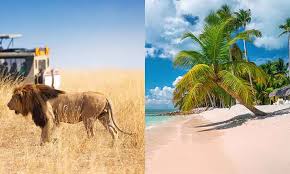
4 Nights Luxury Safari + 4 Nights Zanzibar Beach Escape
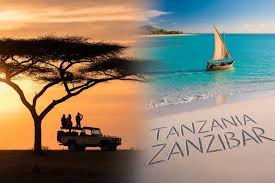
4 Nights Safari + 3 Nights Zanzibar Beach Escape
We encourage travelers to remain informed through official sources while continuing to explore Tanzania responsibly and safely.